
The Importance of Steel Grade and Testing in Pallet Racking Systems


Introduction
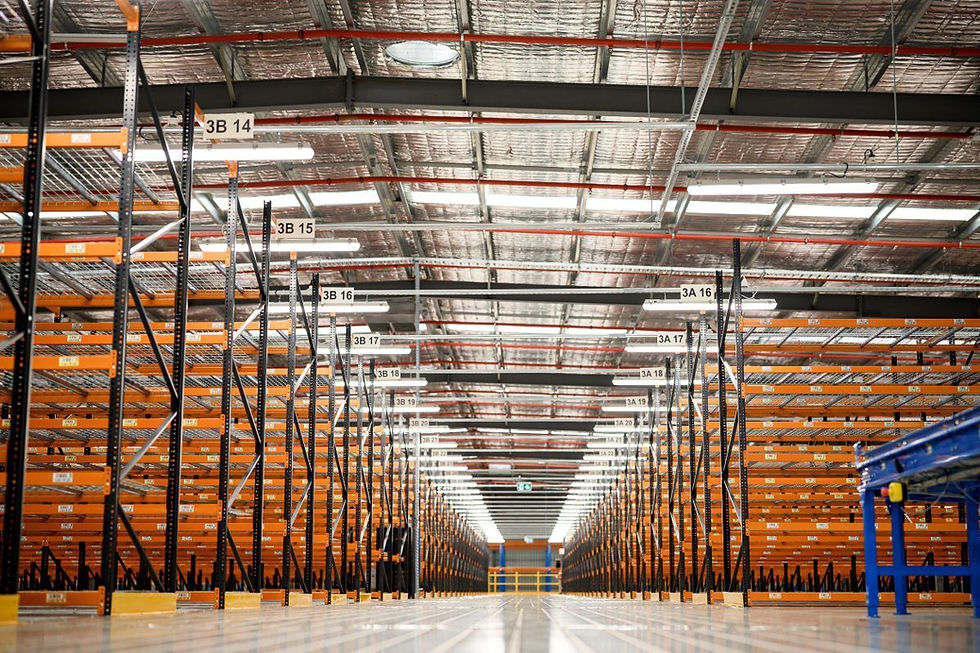
Pallet racking systems are critical infrastructure in warehouses and distribution centers,
supporting the storage and organization of goods. The structural integrity and safety of
these systems depend heavily on the quality of materials used and the rigor of testing
protocols. This document outlines the importance of selecting appropriate steel grades and
conducting thorough testing to ensure compliance with industry standards and to safeguard
personnel and inventory.
Importance of Steel Grade
The steel grade used in pallet racking systems directly influences their load-bearing
capacity, durability, and resistance to deformation. High-strength steel, such as 450 MPa
yield strength steel, is commonly used by Original Equipment Manufacturers (OEMs) due
to its superior performance in supporting heavy loads and withstanding dynamic forces
such as forklift impacts.
Using lower-grade steel, such as 250-355 MPa, may compromise the structural integrity of
the racking system, especially in high-rise or high-load applications. It is essential to match
the steel grade of all components, including uprights, beams, and connectors, to ensure
uniform strength and performance.
Industry Standards and Compliance
In New Zealand and Australia, pallet racking systems must comply with the AS/NZS
4084:2023 standard. This standard mandates a minimum safety factor of 1.9 for structural design and includes specific requirements for seismic resilience, anchoring, bracing, and regular inspections. Compliance with these standards ensures that racking systems can withstand operational stresses and environmental challenges.
Chinese-manufactured racking systems often follow the GB/T 18218 standard, which
typically uses a safety coefficient ranging from 1.65 to 2.0. While this may be adequate for general use, it may not meet the stricter seismic and safety requirements of AS/NZS 4084 unless specifically engineered to do so.

Importance of Testing
Testing is a critical component of pallet racking safety. All components, including beams,
uprights, welded baseplates and connectors, must undergo structural testing to verify their performance under expected loads. Testing ensures that the system meets limit state design principles, accounting for ultimate and serviceability limit states.
In seismic zones, additional testing is required to ensure that the racking system can
withstand lateral forces. Connectors, in particular, must be tested for shear, bending, weld failure, and pull-out resistance. Reputable manufacturers provide certified test reports and documentation to demonstrate compliance with relevant standards.
Procurement Checklist for Pallet Racking Systems in New Zealand
This checklist is designed to help procurement teams evaluate pallet racking systems for
compliance, safety, and long-term performance in New Zealand. It compares local compliant systems such as Dexion with imported alternatives.
1. Steel Grade and Material Quality
- Minimum yield strength of 450 MPa for uprights, beams, and connectors.
- Verify material test reports and steel certification.
- Avoid systems using 250–350 MPa steel unless independently verified for structural
integrity.
2. Seismic Compliance
- Must comply with NZS 1170.5 for seismic design.
- Include site-specific seismic calculations and anchoring requirements.
- Use reinforced base plates and minimum two anchors per footplate.
3. Testing and Certification
- Compliance with AS/NZS 4084:2023 for design and AS4084.2:2023 for maintenance.
- Independent structural testing (e.g., FEM 10.2.02, EN 15512, ANSI MH16.1).
- Require producer statements (PS1–PS4) and Code Compliance Certificate (CCC) for council approval.
4. Warranty and Support
- Lifetime warranty preferred (e.g., Dexion) with mandatory annual inspections.
- Imported systems may offer only 12–24-month warranties - as most importer companies
are operated by owner operators who cannot guarantee warranties will transfer due to a
business sale, nullifying future repair and quality assurances as required by AS 4084 2023.
- Imported systems - Ensure supplier provides NZ engineering support and NZ qualified
documentation for steel quality and testing certification.
5. Inspection Protocols
- Annual inspections by qualified professionals as per AS4084.2:2023.
- Weekly visual inspections with traffic light system (Green, Amber, Red).
- Maintain inspection records and address damage immediately.

6. Load Signage and Training
- Clearly marked load signage on all racking systems.
- Operator training for safe loading and forklift interaction.
- Preventive maintenance plans and damage reporting procedures.
7. Supplier Comparison Summary
Criteria Dexion NZ Typical Importer
Steel Grade ≥450 MPa 250–350 MPa
Seismic Design Included (NZS 1170.5) Optional or absent
Compliance AS/NZS 4084, ISO, FEM,
ANSI GB/T, EN (varies)
Warranty Lifetime (with inspections) 12–24 months
Testing Independent lab-tested Manufacturer-declared
Inspection Annual + weekly, certified Varies
8. Yield verse Tensile
-Pallet racking is measured in Yield strength.
Some importers can state “Tensile strength” in their proposal to mask steel weakness.
Conclusion
The selection of appropriate steel grades and rigorous testing are fundamental to the safety and performance of pallet racking systems.
Clients should prioritize systems that use high-strength steel (450 MPa or higher) and are tested and certified to meet AS/NZS 4084:2023 standards.
Investing in compliant and well-engineered racking not only ensures safety but also reduces long-term maintenance costs and liability risks.
It identifies that Chinese racking manufacturers are not required to meet the higher AS
4048 2023 standards for their local markets.
It questions the importers of Pallet Racking into New Zealand,
If they can ensure the product they import has been
- independently qualified by a NZ engineer or certifier
- that the steel quality is as stated
- manufacturing, for example welding of base plates have been tested,
and can meet the AS 4084 2023 standards.
The aim is to ensure NZ companies are not compromising the safety of warehouse staff andother personnel working in these environments.
Reference
This document was formulated through AI.
The specific purpose/ question for the document was to identify the
- Importance OEMs,
- Of steel strength,
- Manufacturing quality assurances
- Show the strengths of OEMs including lifetime product warranties verses the
importers of Pallet Racking supply into New Zealand.
It has referenced from international pallet racking OEMs, Pallet Rack importers throughout
Australasia.


Comments